
Is the Downtown Jersey City Lifestyle Right for You?
May 7, 2026
May 7, 2026
Wondering whether Downtown Jersey City is the right fit for your lifestyle? If you want a neighborhood where you can commute without relying on a car, walk to coffee or dinner, and choose between waterfront towers and historic blocks, this part of Jersey City stands out for a reason. The trade-offs are real too, and understanding them can help you make a smarter move. Let’s dive in.
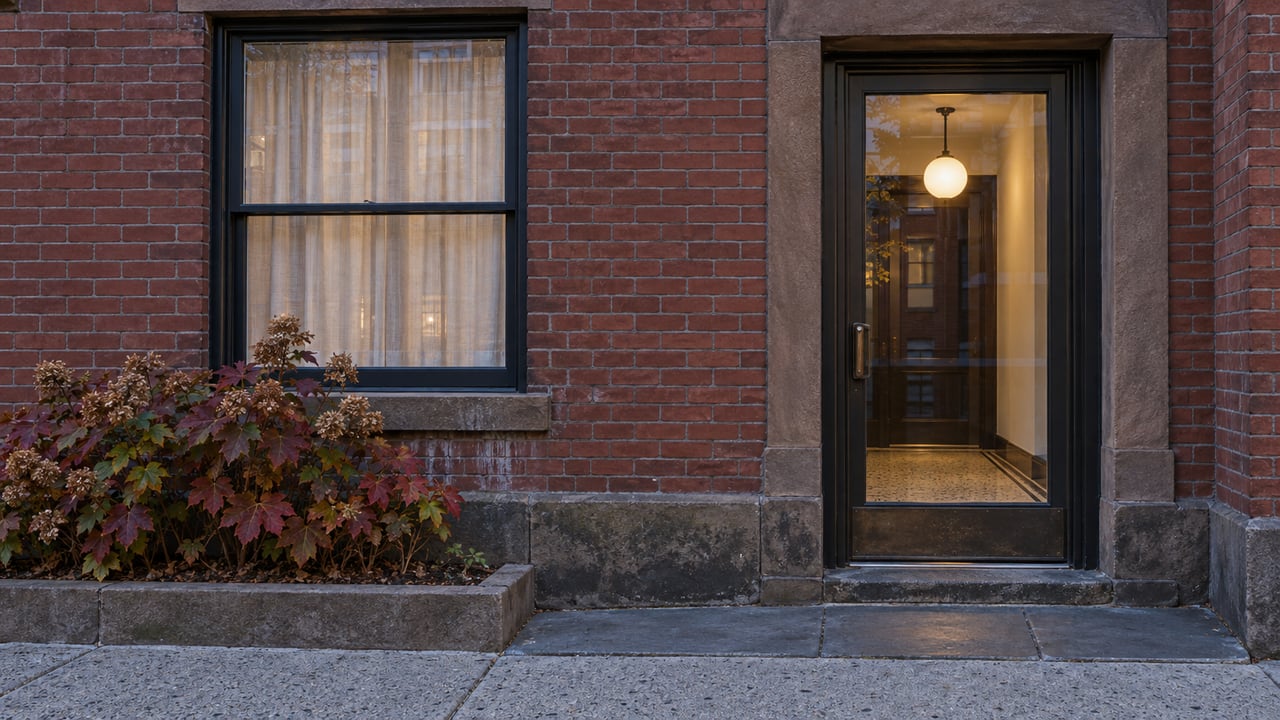
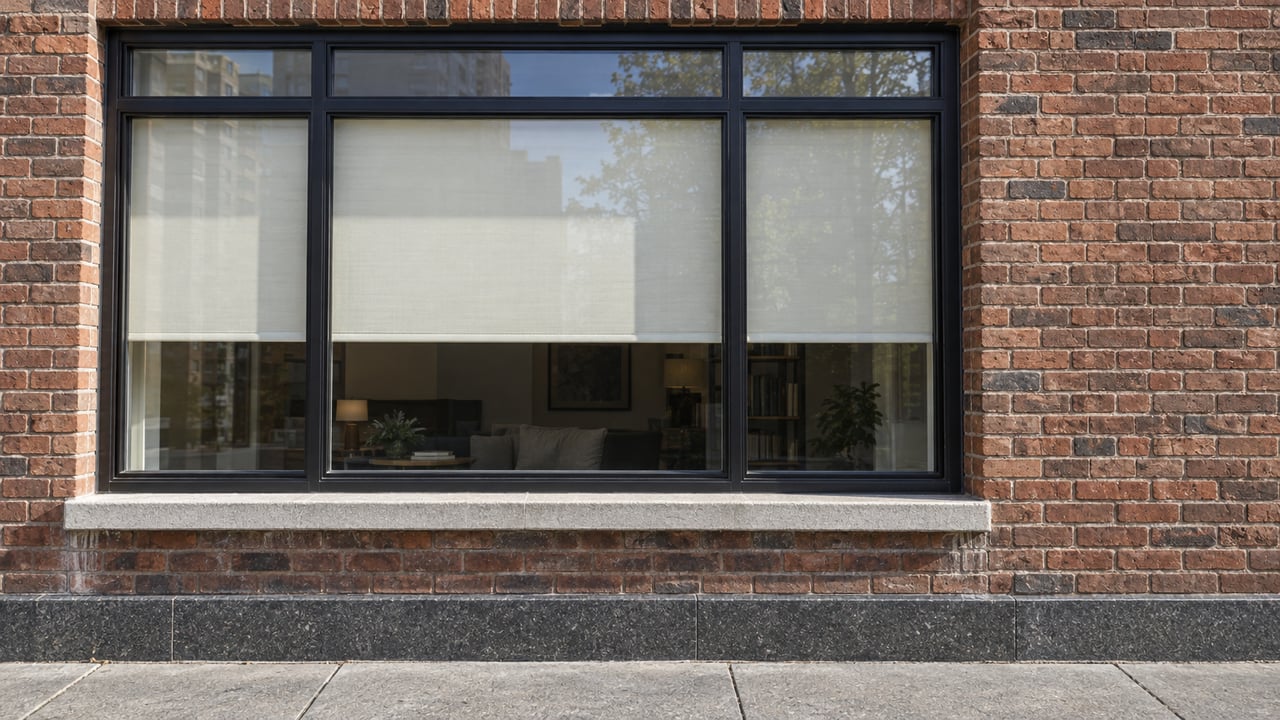
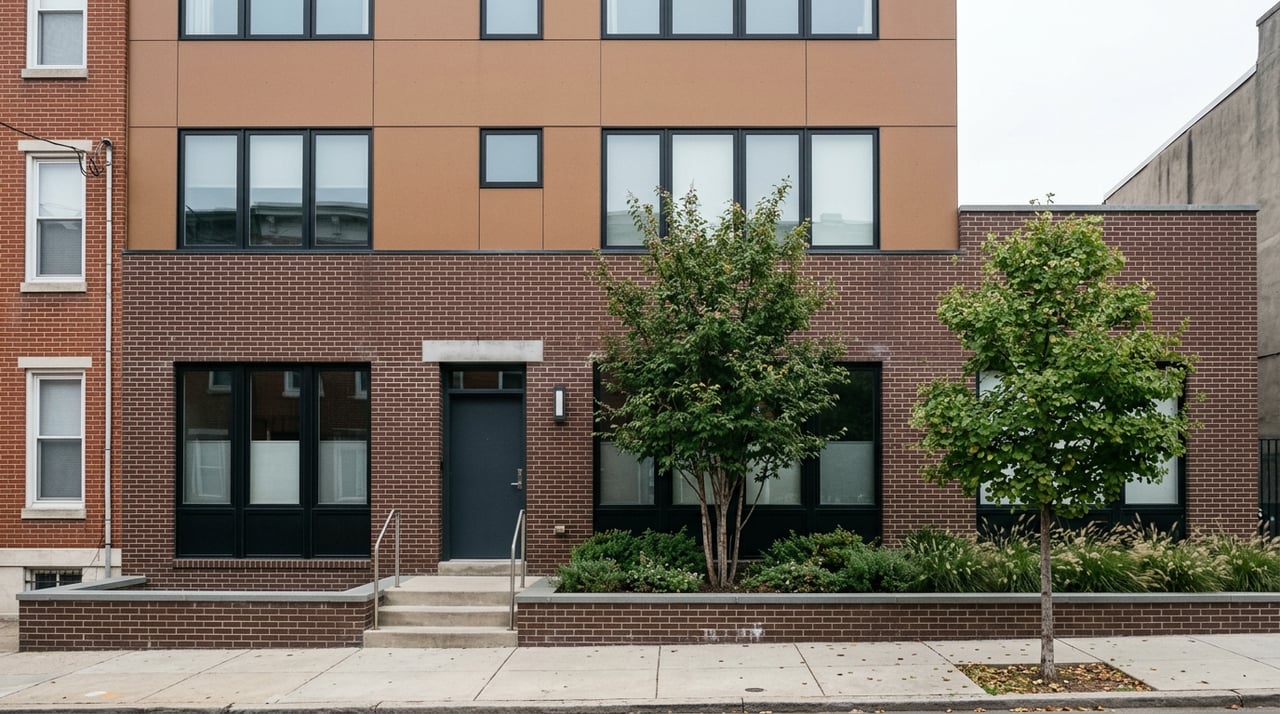
Downtown Jersey City feels like two neighborhood experiences woven together. In places like Exchange Place and along Warren Street, the city classifies the streetscape as high-density residential or urban core, with high-rise housing and ground-floor retail. At the same time, the historic districts are still defined by 19th-century row houses, tenements, and small apartment buildings.
That mix gives Downtown a layered feel. You can walk a few blocks and go from glass towers and busy commuter corridors to lower-rise streets with older architecture and a more neighborhood-scale rhythm. For many buyers, that variety is part of the appeal.
Several of Downtown Jersey City’s best-known historic areas are protected districts. These include Hamilton Park, Harsimus Cove, Paulus Hook, and Van Vorst Park. The city’s preservation rules say that exterior work, alterations, additions, and demolitions in these districts or on landmark buildings generally require Historic Preservation Commission review.
If you love older homes, that can be a real plus. Historic buildings often offer architectural detail and character that newer construction cannot easily replicate. But if you are thinking about renovations, it is important to understand that the process may involve more approvals and more planning.
Downtown’s street layout also helps explain why the area feels different from some nearby waterfront sections. Preservation guidance describes a 19th-century street plan built around residential blocks, city squares, and commercial thoroughfares. That older grid still shapes how the neighborhood looks and feels today.
One of the biggest reasons people choose Downtown Jersey City is commuting convenience. PATH is the backbone of Manhattan access, with lines originating at the World Trade Center Transportation Hub and 33rd Street. In Jersey City, Grove Street and Exchange Place serve as major commuter nodes.
You also have the Hudson-Bergen Light Rail as a second rail option within the neighborhood. NJ TRANSIT identifies downtown stops including Exchange Place, Harborside Financial Center, and Newport, with connections to places like Hoboken Terminal. That extra layer of service gives residents more flexibility when planning daily travel.
Ferry service adds another option. Paulus Hook and Harborside provide Jersey City ferry access tied to Wall Street, Brookfield Place, and Midtown West 39th Street. For some residents, that redundancy is a big lifestyle upgrade because it gives you multiple ways to get where you need to go.
Downtown Jersey City works especially well if you prefer a car-light lifestyle. City data says 47% of residents use public transit to commute to work, and 38% of households do not own a vehicle. That does not mean you cannot have a car, but it does show how common it is to live here without depending on one every day.
For buyers coming from Manhattan or Brooklyn, this often feels like a natural transition. You still get strong transit access, walkable streets, and daily convenience, but with a wider range of housing types. If your goal is to keep driving optional, Downtown is one of the most practical places in Hudson County to do that.
If you want a neighborhood with visible pedestrian energy, Newark Avenue is central to that experience. The city says the Newark Avenue Pedestrian Mall runs between Grove Street and Erie Street, creating one of the most walkable and people-focused parts of Downtown. It is the kind of place where street activity becomes part of daily life rather than something you only seek out on weekends.
That energy is reinforced by recurring local events. The Historic Downtown Special Improvement District hosts events such as Farmers Market, Groove on Grove, All About Downtown, Handmade Market, and holiday celebrations. For residents, that creates a steady rhythm that makes the neighborhood feel active beyond commuting hours.
The dining and café scene also adds to that local feel. Downtown includes a wide mix of coffee shops, casual dining, and restaurant destinations, with examples in the research ranging from Butler Café and Café Esmé to Dullboy and Ela Greek Kitchen. The result is a neighborhood where grabbing coffee, meeting friends, or heading out for dinner can all happen within a short walk.
The waterfront is more than a nice view in Downtown Jersey City. It is part of everyday living. Jersey City’s open-space planning materials say the Hudson River Waterfront Walkway is substantially complete in Jersey City and links destinations such as Newport Green Park, the Colgate Clock, Morris Canal Park, Liberty State Park, and Caven Point Fields.
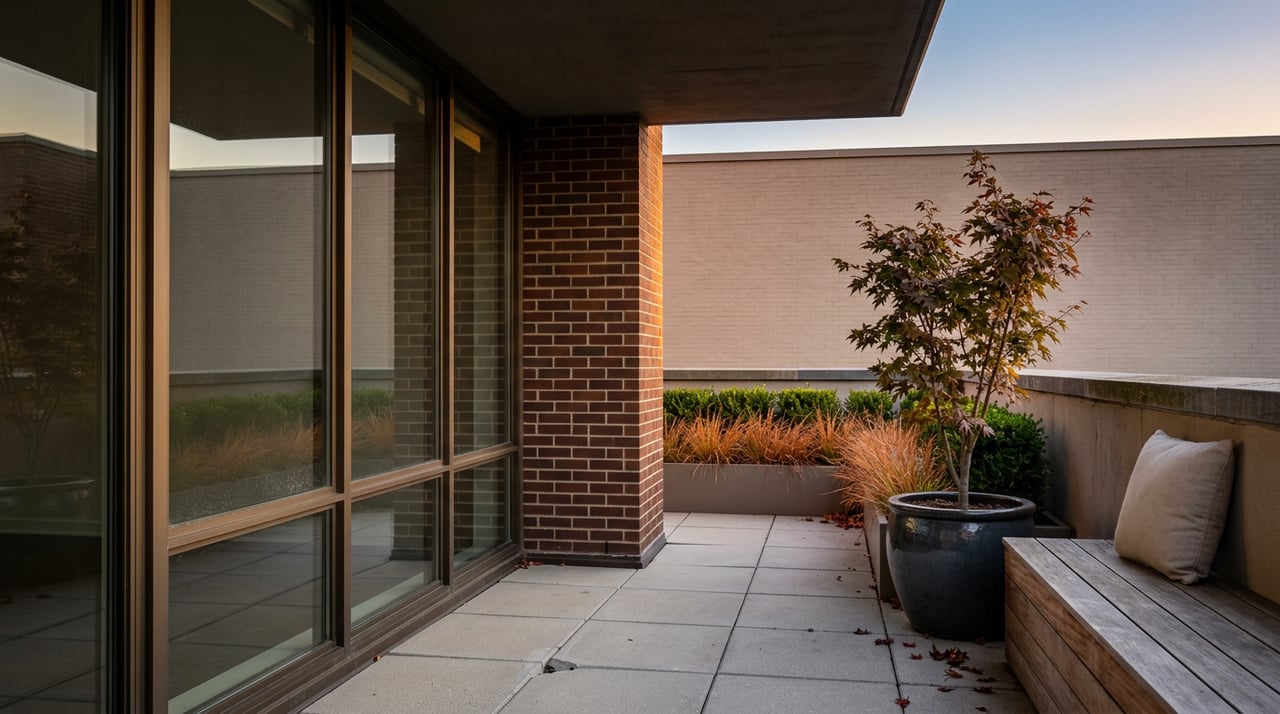
That means walking, running, biking, and skyline views can be built into your normal routine. If you enjoy being outside, the neighborhood offers a rare mix of urban density and accessible open space. For many residents, that balance is a major reason Downtown feels livable long term.
Liberty State Park adds even more room to breathe nearby. NJDEP describes the park as offering a two-mile promenade, wide open fields, miles of pathways, the historic CRRNJ Terminal, and ferry service to Ellis Island and the Statue of Liberty. Having that kind of large-scale outdoor resource close to home is a meaningful advantage in a dense urban setting.
Downtown Jersey City offers a lot, but it is not trying to be a quiet suburban environment. The city notes that Jersey City has a complex street grid with limited narrow streets in high demand, and downtown traffic studies cite resident concerns about pass-through traffic headed toward the Holland Tunnel. If parking and quick car access are top priorities, this is an important reality to weigh.
Noise and activity can also be part of the package in a dense, transit-connected neighborhood. For many people, the convenience is worth it. But if you are looking for big yards, easy parking, and a low-traffic setting, Downtown may feel more intense than other Hudson County options.
If you are considering an older property, building age and preservation rules matter too. In the historic districts, exterior changes, additions, repairs, and demolitions are reviewed under city preservation rules. That does not make older homes a bad investment, but it does mean you should go in with clear expectations and a smart plan.
Downtown Jersey City tends to fit buyers and renters who value convenience over extra space. It works well if you want transit redundancy, walkability, restaurant density, and direct access to the waterfront. It can also be a strong match if you appreciate the choice between newer condo living and older, more character-driven housing.
In other words, this neighborhood often appeals to people looking for an urban lifestyle with options. You can prioritize commute ease, historic charm, modern amenities, or outdoor access, and often find some combination of all four. The key is being honest about which trade-offs matter most to you.
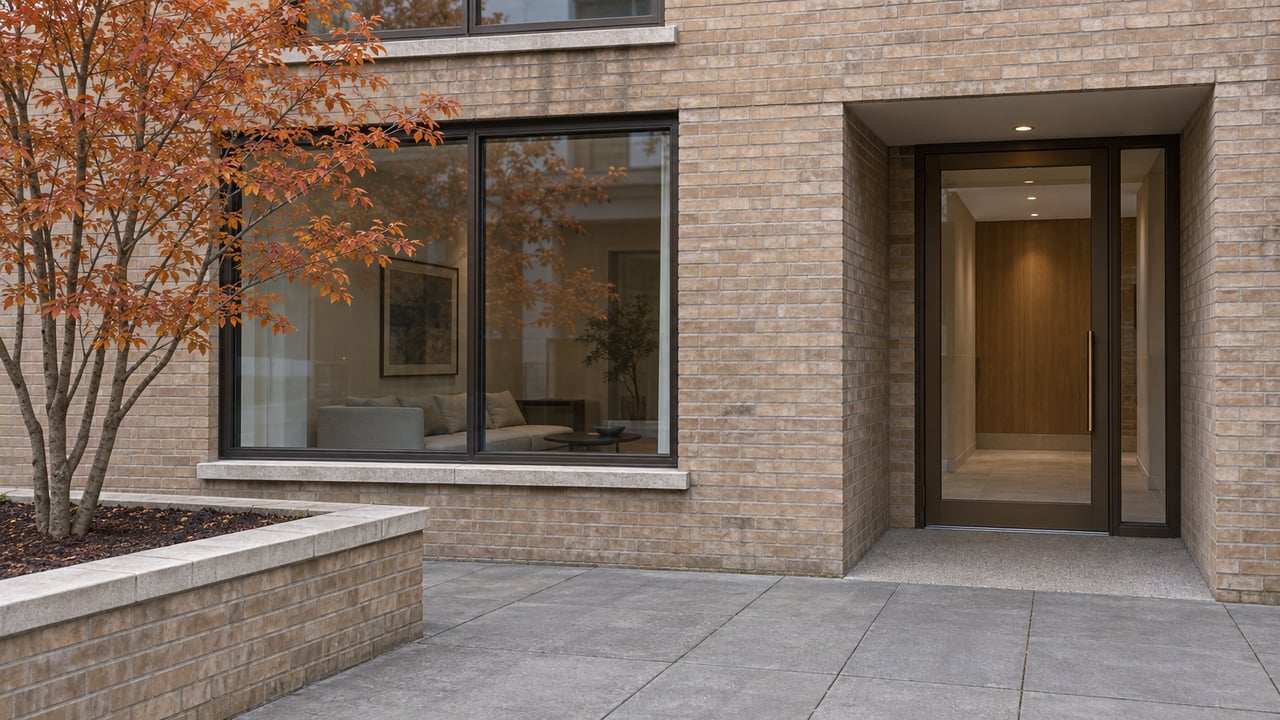
Because Downtown Jersey City has such a varied housing mix, your search strategy matters. A newer waterfront condo, a boutique building, and a historic row house can deliver very different ownership experiences. Looking at the neighborhood as one category can cause you to miss the kind of property that actually fits your goals.
That is where local guidance can make a difference. When you understand the building style, block feel, transit options, and renovation considerations before you make an offer, you are better positioned to spot the right opportunity. Sometimes the best fit is not the most obvious listing. It is the gem that matches how you actually want to live.
If you are thinking about buying, selling, or investing in Downtown Jersey City or anywhere in Hudson County, Amy DeAngelo can help you navigate the options with clear, local guidance.
Stay up to date on the latest real estate trends.



Experience a real estate partnership built on trust, expertise, and genuine care. Amy brings a lifelong understanding of what “home” truly means to every client and every decision.