Living in Hoboken: A Local Guide to Everyday Life
April 23, 2026
April 23, 2026
If you are thinking about living in Hoboken, one question usually comes up fast: what does day-to-day life actually feel like here? Hoboken is compact, busy, and highly walkable, but it also has distinct routines depending on where you live and how you commute. This guide will help you understand how the city works, what kinds of homes you will see, and what everyday living looks like once you are here. Let’s dive in.
Hoboken is a small city with a big daily footprint. The U.S. Census QuickFacts for Hoboken estimates 59,149 residents in 2024, packed into just 1.25 square miles of land. That density shapes almost everything, from the pace of the sidewalks to the mix of housing you will find.
It is also a city where apartment and condo living are a major part of the experience. Census data shows an owner-occupied housing rate of 34.1%, a median gross rent of $2,819, and a median owner value of $872,100. In practical terms, that means many residents are choosing between condos, rentals, rowhouses, and newer multi-unit buildings rather than detached homes.
Hoboken often leans into its identity as the Mile Square City. The city also notes that it has 35 parks across 53 acres, which helps explain why it feels dense but still surprisingly usable for everyday life.
One of the biggest reasons people choose Hoboken is simple: you can get around without depending heavily on a car. For many residents, that changes the rhythm of daily life in a positive way. Errands, workouts, dinners, coffee runs, and commutes can often fit into a walkable routine.
Hoboken Terminal is the city’s main transportation anchor. NJ TRANSIT identifies it as a major connection point for commuter rail, PATH, ferry, bus, light rail, and Amtrak connections. It sits at the foot of Hudson Place near Observer Highway, and for many residents it becomes a key reference point when choosing where to live.
If you commute into Manhattan, Hoboken offers more than one option. The Port Authority shows PATH service from Hoboken to the World Trade Center, and system maps also place Hoboken on the Hoboken to 33rd Street line. On the water side, NY Waterway routes serving Hoboken connect to Midtown/W. 39th Street on weekdays from the NJ Transit Terminal and seven days a week to Brookfield Place/Battery Park, with the 14th Street route also serving Midtown seven days a week.
Inside the city, the Hop shuttle system is one of those features that locals quickly appreciate. Hoboken currently operates free Blue, Red, and Green routes on weekdays from 7:30 a.m. to 7:30 p.m., along with a Senior Shuttle. The city says about 90% of households are within a five-minute walk of the main routes.
That can make a real difference in daily routines. Whether you are heading to transit, running errands, or trying to reduce driving, the Hop adds flexibility in a very compact city.
Many people in Hoboken live car-light, but some residents still keep one. If that is part of your plan, the city offers four municipal garages along with resident permits, visitor permits, and virtual visitor parking options through its parking system. In a dense city, it is smart to think through parking convenience early, especially if your home search includes buildings without dedicated spaces.
If you are new to town, it helps to understand the city through a few main corridors. That mental map can make Hoboken feel much easier to navigate right away.
According to NJ TRANSIT’s Hoboken guide, Washington Street is the main corridor for shops, restaurants, and bars. Sinatra Drive runs along the waterfront, while Clinton Street is described as a central residential corridor. Those three references tell you a lot about how daily life flows here.
In simple terms:
That layout is one reason Hoboken feels so accessible. You are often only a short walk from restaurants, parks, transit, or the riverfront.
The waterfront is one of Hoboken’s biggest lifestyle draws. It gives the city breathing room and offers a place to walk, run, sit outside, or simply reset after work. For many buyers and renters, easy waterfront access becomes part of the reason Hoboken stands out.
At the same time, the waterfront is an active infrastructure zone, not just a scenic backdrop. In March 2026, the city announced it had reopened a key section of the Hudson River Waterfront Walkway and a temporary multi-use path along Sinatra Drive. The city also notes ongoing seawall and roadway work in the area, so temporary detours and lane changes can be part of normal waterfront living.
That is useful context if you are weighing a home near the river. You get direct access to one of Hoboken’s best amenities, but you should also expect occasional project activity tied to resiliency and infrastructure improvements.
Hoboken’s parks are a big part of local life, especially in a city with limited private outdoor space. The city’s moving to Hoboken resource highlights several parks and community anchors that residents use every day.
Some of the best-known examples include:
These places do more than add greenery. They shape how people spend weekends, where neighbors gather, and how residents balance dense city living with outdoor time.
If you have a dog, Hoboken includes several designated dog run locations. The city lists dog runs at Church Square Park, Elysian Park, Stevens Park, 14th Street Viaduct, and 1600 Park, plus a private dog run at Shipyard Park for residents. You can review the city’s current dog run information here.
Hoboken has a very specific housing character, and that is one of the reasons people connect with it so quickly. You are not looking at one single housing type. Instead, you are choosing among a few very different living experiences within a small footprint.
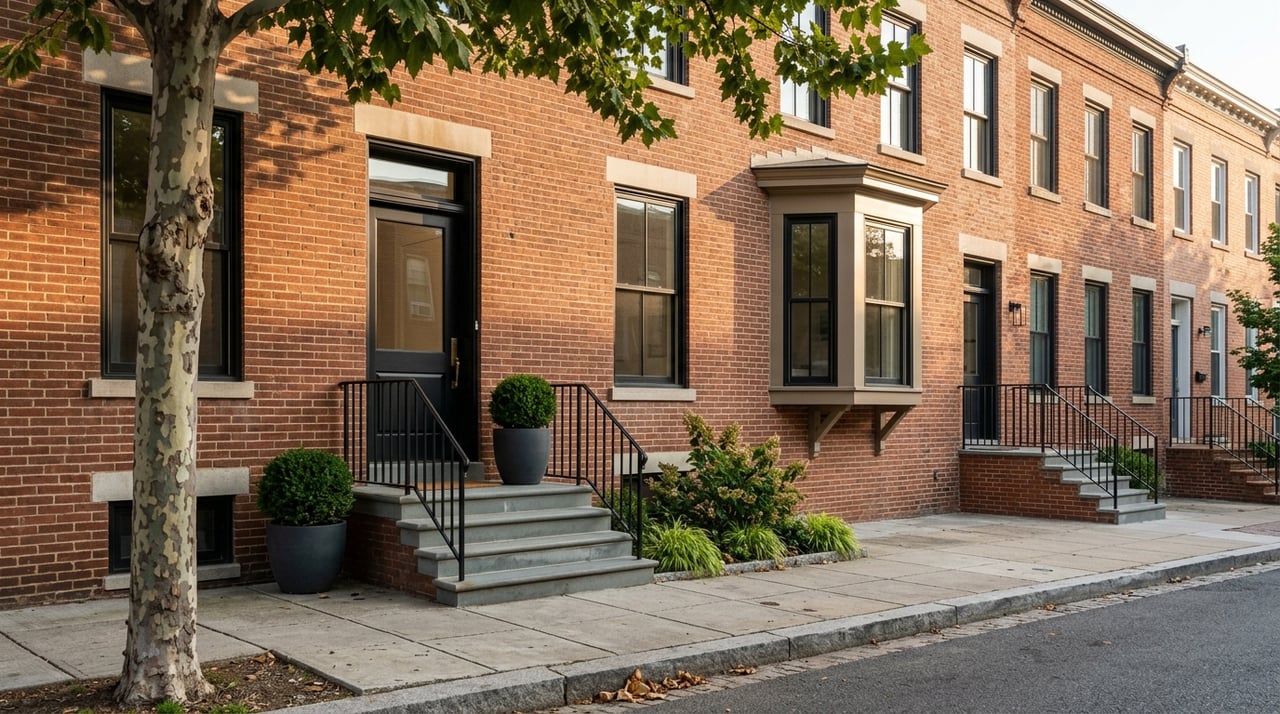
The New Jersey Historic Preservation Office survey says the predominant residential building type in Hoboken is the masonry rowhouse. That helps explain why so many streets feel narrow, connected, and visually consistent.
If you are drawn to classic Hoboken character, this is likely the look you picture. These attached homes create a walkable streetscape and often shape the feel of the city’s older residential blocks.
The city’s Historic Preservation Commission also reviews exterior changes within the locally designated historic district. For buyers, that is a useful reminder that home style and upkeep can come with added considerations in historic areas.
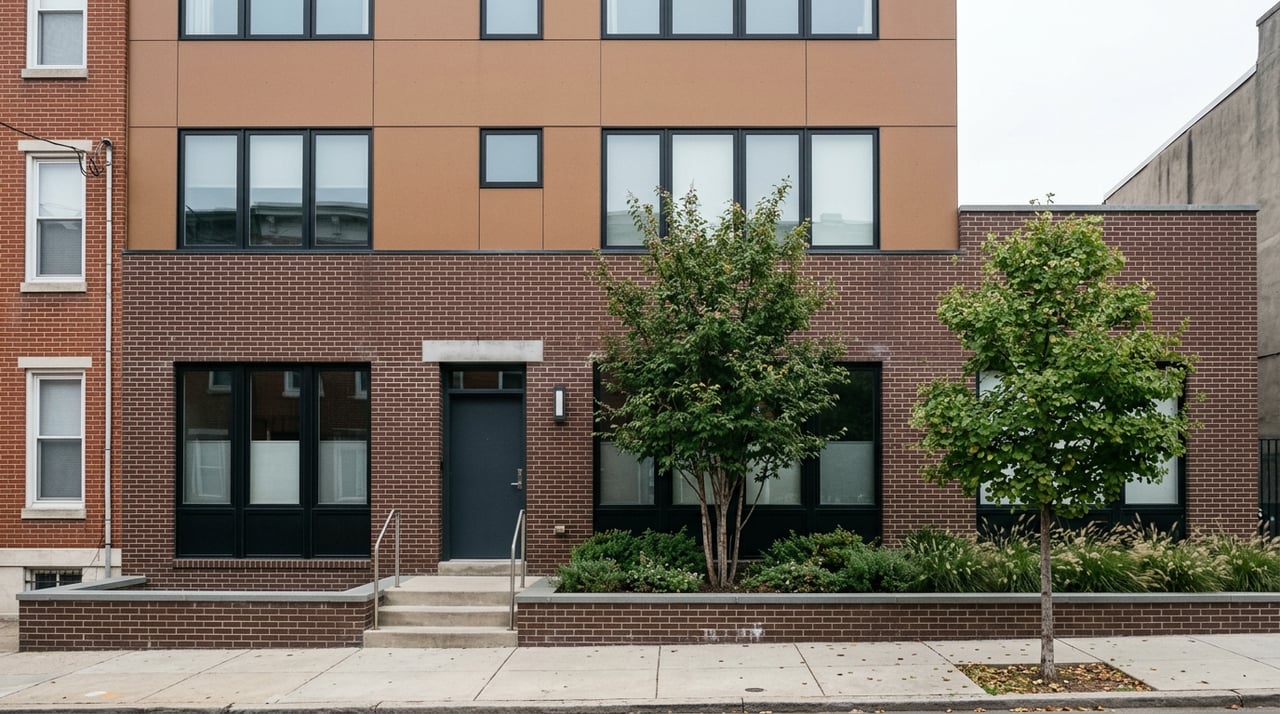
Hoboken is not only brownstones and older rowhouses. The city’s fire department has stated that Hoboken includes approximately 75 high-rises, along with many lower-rise buildings. Redevelopment work near Hoboken Terminal and in the North End also continues to add mixed-use residential projects and infrastructure upgrades.
That means your search may include:
Each option can create a very different day-to-day experience. Some buyers want prewar detail and neighborhood texture. Others want elevator access, newer systems, or a location close to transit.
When I help buyers orient themselves to Hoboken, I often frame the city as having three broad living experiences. That does not replace a block-by-block search, but it helps you understand the basics.
These areas often appeal to people who want classic Hoboken architecture, strong walkability, and a more traditional streetscape. You may find attached homes, smaller condo buildings, and a clear sense of neighborhood rhythm from block to block.
These homes often attract buyers and renters who want convenience, elevator living, or direct access to major commuting routes. Depending on the building, you may also find newer amenities and proximity to the riverfront walkway.
Around Washington Street and Hoboken Terminal, life tends to feel especially connected to shops, restaurants, services, and commuting options. If you want to be in the middle of the action, this part of the city can be a strong fit.
The important takeaway is that location matters a lot in Hoboken, even within a small area. A few blocks can change your routine, commute pattern, noise level, building type, and access to parks or the waterfront.
If you are planning a move to Hoboken, it helps to think beyond price and square footage. In a city this compact, your daily routine matters just as much as the property itself.
A few smart questions to ask are:
Those lifestyle questions can help you find the right fit faster. They also make it easier to spot the real gems, whether that is a character-filled brownstone condo, a practical commuter-friendly building, or a newer home that better matches your day-to-day needs.
If you are exploring Hoboken and want local guidance on which blocks, building styles, or daily routines may fit you best, Amy DeAngelo is here to help you make a smart, confident move.
Stay up to date on the latest real estate trends.


Experience a real estate partnership built on trust, expertise, and genuine care. Amy brings a lifelong understanding of what “home” truly means to every client and every decision.