Jersey City Condo Types: High-Rise vs Walk-Up Guide
June 11, 2026
June 11, 2026
Wondering whether a Jersey City high-rise or walk-up is the better buy? You are not alone. In a city with older low-rise buildings, newer towers, and strong transit access, the right choice often comes down to how you live, what you want to spend each month, and how carefully the building itself has been run. This guide will help you compare the pros and cons, know what to ask before you buy, and spot the kind of details that can turn a good purchase into a great one. Let’s dive in.
Jersey City gives you a real building-style decision, not just a price decision. According to the city’s 2025 housing element, 53.4% of housing units are in multifamily structures, and 28.2% are in buildings with 50 or more apartments. At the same time, 28.8% of housing units are in buildings built before 1940, while 27.7% are in 21st-century development.
That mix means you are often choosing between very different lifestyles and cost structures. You might compare a newer tower with elevators and amenities against a smaller walk-up with fewer shared services and a more compact feel. In Jersey City, both options are common, and both can work well if the building fits your priorities.
The city’s housing stock also skews smaller, with 30.1% one-bedroom units and 33.4% two-bedroom units. That matters if you are a first-time buyer, commuter, or investor looking at condo inventory. Many buyers are weighing convenience and amenities against value and monthly cost.
One of the biggest high-rise advantages is simple: elevators. If you carry groceries, receive frequent packages, or want easier day-to-day access, that convenience can make a real difference. It can also make the home easier to use over time, especially if stairs are not ideal for your lifestyle.
In Jersey City, high-rises are often found in transit-rich areas connected to PATH, the Hudson-Bergen Light Rail, and ferry service. If you commute regularly, that access can be a major plus. In a city where close to 50% of residents commute by public transit, location and building type often go hand in hand.
Many buyers are drawn to high-rises because of what comes with the building. Depending on the property, that may include package handling, lobby staff, fitness rooms, shared outdoor space, parking, or other services. These features can make daily life more convenient, especially if you want a more turnkey experience.
That said, amenities are not free. They are part of the reason monthly association dues in larger buildings can be higher. Before you fall in love with the lobby or roof deck, make sure you understand what those services cost you each month.
Higher floors often offer more distance from street-level noise and activity. In a dense city, that extra separation can be appealing. It may also improve views, depending on the unit and building placement.
This is not a hard rule, but it is a common practical difference. If quiet and privacy matter to you, compare not just the unit itself, but also the floor level, window exposure, and what surrounds the building.
The most common trade-off in a high-rise is cost. Condo or HOA dues are usually separate from your mortgage, and they can range from a few hundred dollars a month to more than $1,000, depending on the building. That means your true monthly cost may be much higher than the loan payment alone.
This is why I always encourage buyers to look at the full picture. Your monthly carrying cost should include mortgage, taxes, HOA dues, insurance, and parking if applicable. A building can feel like a great fit until you run the full numbers.
In a high-rise, your daily experience depends heavily on shared systems. Elevators, package operations, common-area maintenance, and other building services all matter. If those systems are not managed well, convenience can quickly turn into frustration.
For Jersey City buyers, it is smart to ask about elevator reliability, common-area upkeep, and any flood-prone lower-level spaces. Larger buildings can work beautifully, but they require strong management and consistent maintenance.
Financing a condo is not only about your income and credit. Lenders may also review the building itself, including legal documents, budgets, financial statements, reserve studies, construction plans, and other project materials. In some cases, a building’s financial health can affect your mortgage options and future resale more than buyers expect.
This is especially important in newer or newly converted buildings. Those projects may face more lender scrutiny than established ones. If you are buying in a newer tower, document review is not just a box to check. It is part of protecting your investment.
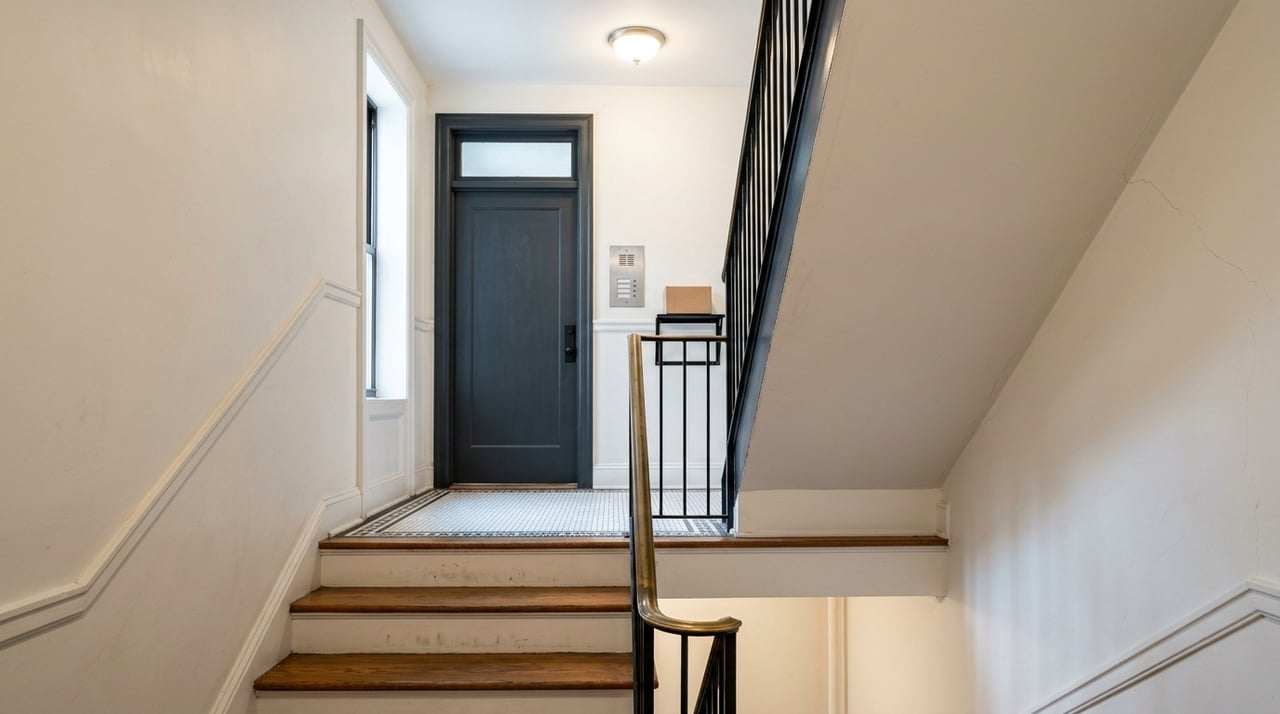
Many buyers love walk-ups because they feel more intimate. There are fewer units, fewer shared systems, and often less of the large-building bureaucracy that comes with bigger developments. If you prefer a lower-key living experience, a walk-up may feel like a better fit.
This kind of building can also appeal to buyers looking for character or a less polished, more practical ownership style. In a city with a meaningful share of pre-1940 housing stock, older low-rise buildings are a real part of the market, not a niche.
Walk-ups sometimes have lower monthly fees because there are fewer services to fund. No elevator, fewer staff needs, and limited amenities can reduce the operating budget. That can be attractive if you want to keep your fixed monthly costs under control.
Still, lower fees should never be judged on the number alone. A smaller association can still have weak reserves or deferred maintenance. The goal is not just to find low dues. It is to find a building with a budget that makes sense.
From an investment-minded perspective, walk-ups can sometimes hide the kind of gem that is easy to miss on first glance. A well-located low-rise with solid financials and manageable improvement needs may offer a compelling alternative to a newer tower with much higher carrying costs. That is especially true if you care more about fundamentals than flash.
If you are willing to look closely at condition, reserves, and long-term upkeep, a walk-up can offer strong value. The key is to separate charm from actual building health.
The obvious drawback is the stairs. That may not bother you at first, but it is worth thinking through your actual daily routine. Groceries, strollers, bikes, move-ins, and guests can all make a fourth-floor walk-up feel very different from a quick showing.
This is a lifestyle question, not just a preference question. If stairs are likely to wear on you, it is better to know that now than after closing.
Walk-ups can vary widely from one building to the next. Older buildings may differ in roof age, windows, boilers, masonry, hallways, and exterior condition. Jersey City’s construction regulations include structural façade inspections, which is a reminder that exterior systems deserve careful review.
In other words, two similar-looking buildings can have very different maintenance stories. If you are comparing walk-ups, ask when major systems were last updated and whether there is a current reserve plan.
If you want package rooms, onsite staff, a gym, or more managed common spaces, a walk-up may feel limited. That is often part of the trade-off for lower fees or smaller scale. Some buyers are happy to skip amenities they rarely use, while others quickly miss them.
This comes down to being honest about your habits. If convenience services are part of what makes city living work for you, do not discount their value.
One of the biggest mistakes buyers make is assuming high-rise means better or walk-up means simpler. In reality, the building’s finances, maintenance history, and rules matter more than the category. A small association can have poor reserves, and a larger building can be very well run.
In New Jersey, condominium and similar association-controlled projects are regulated through the Planned Real Estate Development program. Associations are also generally responsible for registration and correcting cited violations for applicable multiple dwellings. For you as a buyer, that means the paperwork is part of the product.
A strong condo review should include key building documents such as the master deed or declaration, bylaws, rules, annual budget, reserve study, insurance certificates, recent meeting minutes, and any pending assessments or litigation history. If the building is new, ask about final certificate of occupancy or temporary certificate of occupancy status and unit warranty documentation.
Flood risk is a Jersey City due-diligence item, especially near waterfront or lower-lying blocks. The city uses AlertJC for emergency notices related to flooding and other events, and local code includes flood damage prevention requirements. The city also notes that an elevation certificate may be required based on the address.
This is important because homeowners insurance usually does not cover flood damage. Before you buy, ask whether the building or unit has any flood-related requirements, and whether any lower-level common areas have had past issues.
Some Jersey City properties may have a tax abatement or similar special tax arrangement. The city tax assessor includes information related to exemptions and abatements, and these programs can apply to certain new construction, conversions, or improvements if allowed by municipal ordinance.
If a property has one, ask exactly what kind it is and when it expires. That timeline can directly affect your future costs.
Transit access matters in Jersey City for daily life and future resale. The Hudson-Bergen Light Rail connects parts of Jersey City with Exchange Place, Newport Center, and Hoboken Terminal. PATH also provides 24-hour service between Newark, Harrison, Jersey City, Hoboken, and New York, while ferries serve Hudson waterfront terminals.
A high-rise near major transit may attract buyers who prioritize convenience and amenities. A walk-up with strong transit access may appeal to buyers who want value and location without tower-level fees. Both can be marketable, but for different reasons.
Use this checklist whether you are touring a tower or a walk-up:
If you want convenience, easier access, and a more service-driven lifestyle, a high-rise may be the better fit. If you want smaller scale, potentially lower fees, and the chance to find value in an older building, a walk-up may make more sense. Neither is automatically better.
The smartest move is to judge each building on its total monthly cost, financial health, maintenance history, transit access, and long-term fit for your goals. In Jersey City, some of the best opportunities come from looking past the label and focusing on the details that really drive comfort, resale, and risk.
If you want help comparing buildings, reviewing the right questions, and finding the kind of Jersey City property that fits both your lifestyle and budget, Amy DeAngelo can help you spot the right gem with a clear, strategic approach.
Stay up to date on the latest real estate trends.



Experience a real estate partnership built on trust, expertise, and genuine care. Amy brings a lifelong understanding of what “home” truly means to every client and every decision.